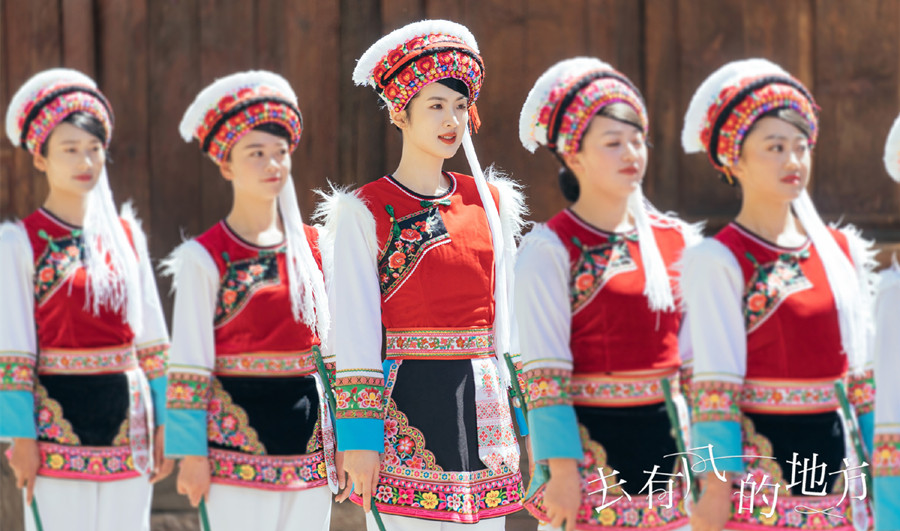
Bai Ethnic Group
Introduction
The Bai ethnic group is one of the 56 ethnic groups. The Bai people primarily reside in the Dali Bai autonomous prefecture in Yunnan province, located in the southwestern part of China. This group has a rich history and cultural heritage that is deeply intertwined with the natural beauty of the region they inhabit.
Cultural Heritage
Tie-Dyeing Tradition
One of the most renowned cultural aspects of the Bai ethnic group is their traditional tie-dyeing technique, which has been passed down through generations. Tie-dyeing is not only a craft but an art form for the Bai people, involving intricate processes that include making knots in the fabric, dipping and dyeing the cloth, and drying it in the sun. The results are typically blue and white patterns inspired by local scenery, embodying both simplicity and elegance. This technique was recognized as a state-level intangible cultural heritage in 2006, highlighting its cultural significance.
Embroidery and Wood Carving
The Bai people are also known for their remarkable embroidery work, which is commonly seen in daily necessities such as clothes, headwear, and decorative items. Their embroidery often features patterns of flowers, animals, and mythical creatures like dragons and phoenixes, crafted with auspicious symbolism. Furthermore, the Bai's wood carving, particularly from Jianchuan county, is famous for its artistic and historical value. The wood carvings often depict nature and auspicious symbols, and this craft has been preserved as a national intangible cultural heritage.
Architecture and Traditional Villages
The Bai are renowned for their unique architectural style, often featuring whitewashed walls and tile roofs, which can be seen in ancient villages like Nuodeng. These villages preserve numerous historical buildings and cultural relics from the Ming and Qing dynasties. The Bai's architectural style reflects a deep connection to their cultural roots and the natural environment.
Modern Influence and Preservation
In modern times, the Bai people's cultural practices have gained renewed interest, partly due to efforts in cultural preservation and tourism. Institutions and individuals are working to keep these traditions alive by integrating them with modern aesthetics and making them accessible to a wider audience. For example, tie-dyeing workshops and exhibitions are now popular among both locals and tourists, promoting the Bai's unique cultural practices beyond their traditional boundaries.
The Bai ethnic group's cultural contributions have reached international audiences as well. Their traditional crafts, particularly tie-dyeing, have been featured in global fashion shows and cultural exhibitions, reflecting a growing interest in sustainable and culturally rich art forms. This international recognition helps to bolster local efforts to preserve and innovate within their cultural heritage.








